Steak Muroh: The Layered Display Font That Brings the Sizzle
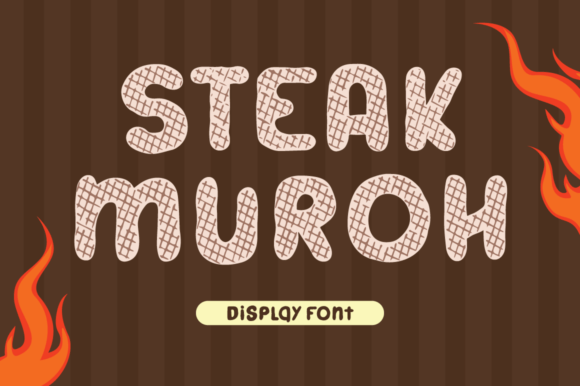
Finding the right typeface for a food-related project often feels like searching for a needle in a haystack. You need something that conveys flavor, texture, and excitement without looking tacky or illegible. Steak Muroh enters the scene as a specific solution for this exact problem. It is a layered display font designed specifically to mimic the visual texture of a grill. When you look at the characters, you don’t just see letters; you see the sear marks and charred edges associated with high-quality grilled cuisine.
This isn't a standard typeface you use for writing paragraphs of body copy. It is a creative font built for impact. The defining feature of Steak Muroh is its unique "grill effect," which is achieved through its layering capabilities. It allows designers to stack different styles of the font on top of one another to create a 3D, textured appearance. If you are working on a project that needs to evoke the warmth of a kitchen or the excitement of a summer barbecue, this font provides the visual vocabulary to do so immediately.
Visual Characteristics and The Layering System
At its core, Steak Muroh functions as a display font with a bold, assertive personality. The letterforms are chunky and readable, ensuring that the message gets across even when surrounded by busy imagery. However, the magic happens when you utilize the full family. The font comes with a regular style and a display style, but the real value lies in the grunge or effect layer that creates the grill texture.
Imagine you are designing a logo for a burger joint. If you type the name in a standard serif font or a clean sans serif font, it might look professional, but it lacks "flavor." When you apply Steak Muroh, you can activate the effect layer to burn that grill texture right into the letterforms. The result is a premium font aesthetic that looks like it was custom-illustrated for that specific brand. It bridges the gap between typography and illustration, offering a modern typography solution for niche markets.
The visual style is playful yet rugged. It avoids the stiffness of corporate typefaces. Instead, it embraces a handcrafted vibe that appeals to the current trend of artisanal and authentic branding. Whether you are working on packaging design for a new line of BBQ sauce or creating headers for a food blog, the texture adds a tactile quality that flat fonts cannot match.
Strategic Applications for Designers and Brands
Understanding where to deploy Steak Muroh is key to using it effectively. Because it is a display font, it performs best in high-impact scenarios where short bursts of text need to grab attention.
Restaurant Branding and Identity
For steak restaurants, cafes, and food trucks, brand identity is everything. Steak Muroh is perfectly suited for logo design. It instantly communicates the restaurant's specialty. You can use it for the main wordmark, pairing it with a simpler script font or handwritten font for taglines to create a balanced font pairing. This combination keeps the branding dynamic without overwhelming the customer.
Packaging and Merchandise
In the grocery aisle or at a merchandise table, you have seconds to make an impression. This font shines in packaging design. Think about the labels on hot sauce bottles, the branding on butcher paper, or the graphics on aprons and t-shirts. The grill effect adds a layer of authenticity that suggests the product inside is the real deal. It serves as a powerful design asset for small business owners looking to compete with larger brands.
Digital Presence and Social Media
The digital space is crowded. To stop the scroll, you need visuals that pop. Steak Muroh is excellent for social media graphics. Whether you are announcing a happy hour special on Instagram or creating a YouTube thumbnail for a cooking tutorial, this font provides high contrast and visual interest. It works well for web design headers, specifically for landing pages promoting food events or catering services.
Technical Considerations and Workflow Integration
When integrating a specialized typeface like this into your workflow, you need to consider legibility and compatibility. While Steak Muroh is a creative font, it maintains high readability for headlines. However, because of the detailed grill texture, it is not intended for long-form text. Do not use it for paragraphs; stick to headings, subheadings, and call-to-action buttons.
A practical tip for using the layered effect is to pay attention to your color choices. The grill marks often look best when the "effect" layer is a slightly darker shade of the base color, or even a contrasting color to simulate charcoal. Experimenting with these layers in Adobe Illustrator or Photoshop can yield incredible results. This flexibility makes it a versatile tool in a designer's kit, sitting comfortably alongside standard serif and sans serif options.
For those in editorial design, such as food magazines or cookbooks, Steak Muroh works beautifully for chapter titles or pull quotes. It breaks up the monotony of standard text and reinforces the theme of the content. It is also an excellent choice for game titles involving cooking mechanics or restaurant management simulations, adding a fun, thematic element to the user interface.
Evaluating Fit and Licensing
Before finalizing your choice, it is wise to evaluate the project fit. Ask yourself if the brand voice is casual, fun, and food-centric. If the answer is yes, Steak Muroh is likely a strong candidate. If the project requires a strict, corporate, or minimalist aesthetic, you might lean toward a clean geometric sans serif instead.
When downloading or purchasing commercial fonts, always review the licensing terms. Ensure that the license covers your specific usage, whether it is for physical merchandise, digital ads, or software embedding. A legitimate license protects you legally and supports the type designers who create these specialized tools.
Ultimately, Steak Muroh is more than just a font; it is a thematic tool. It solves the specific design challenge of making food look delicious through typography. By combining the regular and display styles, you unlock a professional, textured look that elevates your work from standard to sizzling. For designers, marketers, and entrepreneurs in the culinary space, it is a valuable addition to your library of design assets